

Selecting the correct drainage channel is a critical step in planning any residential, commercial, or industrial surface. Proper drainage helps prevent water accumulation, structural damage, and long-term maintenance issues. With multiple channel types, materials, and load ratings available, the decision can feel complex. Understanding your project’s requirements will help you choose a solution that performs effectively and lasts for years.
Understanding the Purpose of Drainage Channels
Drainage channels are designed to collect and redirect surface water away from buildings, paved areas, and landscapes. They are commonly used in driveways, patios, parking areas, walkways, gardens, industrial yards, and public spaces.
The primary goal is to manage water flow efficiently while protecting surrounding structures. Choosing the wrong channel can lead to overflow, cracking, erosion, or premature system failure.
Key Factors to Consider Before Choosing a Drainage Channel
1. Location and Application
The first step is identifying where the drainage channel will be installed. Different environments place different demands on the system.
-
Residential areas often require channels for patios, gardens, pool decks, and driveways.
-
Commercial spaces may need drainage for walkways, storefronts, and parking areas.
-
Industrial sites typically require heavy-duty channels for loading zones, warehouses, or manufacturing facilities.
Understanding the setting helps narrow down suitable channel materials and load capacities.
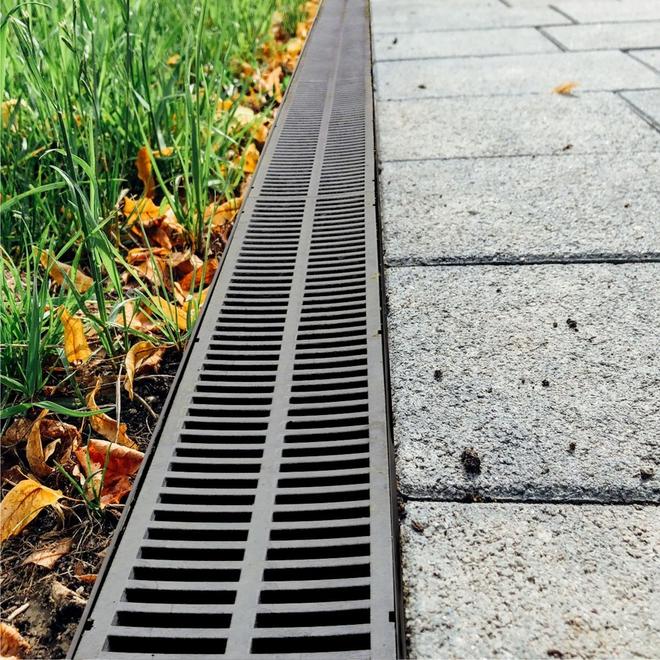
2. Load Class Requirements
Drainage channels are rated by load class, which indicates how much weight they can safely support. Selecting the correct load class is essential for safety and durability.
Light-Duty Applications
These are suitable for pedestrian areas such as walkways, balconies, and garden paths.
Medium-Duty Applications
Used in residential driveways and light vehicle areas where occasional car traffic is expected.
Heavy-Duty Applications
Designed for commercial and industrial locations where trucks, forklifts, or service vehicles operate regularly.
Always match the load rating to actual usage, not just current conditions but future needs as well.
Choosing the Right Drainage Channel Material
Concrete Drainage Channels
Concrete channels are known for strength and stability. They are commonly used in areas that experience high loads or frequent vehicle traffic. Concrete offers long-term durability but may require more effort during installation due to weight.
Plastic and Polymer Channels
Plastic and polymer-based channels are lightweight and resistant to corrosion. They are often chosen for residential and light commercial projects because they are easier to install and maintain.
Metal Drainage Channels
Metal channels are selected when strength and appearance are equally important. They are often used in architectural settings where the drainage system must blend with surrounding design elements.
Each material has advantages, and the best choice depends on load demands, environmental exposure, and visual preferences.
Water Flow Capacity and Channel Design
Channel Width and Depth
Water volume plays a major role in determining the correct channel size. Areas with heavy rainfall or large surface runoff require wider and deeper channels to prevent overflow.
Slope and Water Direction
Proper slope ensures water flows smoothly toward the outlet. Even the best drainage channel will fail if the surrounding surface does not direct water correctly.
Outlet and Connection Options
Consider how the channel will connect to existing drainage systems. Compatibility with pipes, catch basins, or storm drains ensures efficient water discharge.
Aesthetic Considerations
Drainage channels do not have to be purely functional. Many projects require solutions that complement architectural design.
Decorative grates, patterned covers, and subtle finishes allow channels to blend into outdoor spaces without drawing attention. This is especially important for residential patios, courtyards, and commercial entrances.
Maintenance and Long-Term Performance
Ease of maintenance should not be overlooked. Channels with removable grates make cleaning easier and reduce the risk of blockages.
Choosing durable materials also lowers long-term maintenance costs. A well-selected drainage channel should perform reliably with minimal upkeep.
Common Mistakes to Avoid
-
Selecting a channel with an insufficient load rating
-
Ignoring future expansion or increased traffic
-
Choosing style over performance
-
Failing to plan proper slope and outlet connections
Avoiding these mistakes helps ensure your drainage system remains effective over time.
Final Thoughts
Answering the question Which Drainage Channel Is Right for Your Project? requires careful consideration of location, load capacity, material, water flow, and maintenance needs. There is no one-size-fits-all solution, but understanding these factors makes the decision clearer.
By selecting a drainage channel that matches your project’s functional and structural requirements, you can protect surfaces, extend lifespan, and ensure reliable water management. A thoughtful choice today will prevent costly repairs and performance issues in the future
