

Unistrut is a widely used structural support system in construction and mechanical installations. It is known for its flexibility, strength, and ease of assembly without the need for welding. This guide explains What is Unistrut Types, Uses, Materials, and Installation Guide in a clear and structured way to help understand its applications and advantages.
Understanding What Unistrut Is
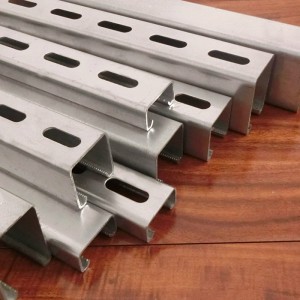
Unistrut is a metal framing system made from cold-formed steel channels. It is designed with a unique slotted channel shape that allows easy assembly of support structures using fittings and fasteners. Instead of welding or drilling, components are simply bolted together, making installation faster and more efficient.
It is commonly used in electrical, mechanical, and construction industries for supporting pipes, wiring, HVAC systems, and other equipment.
Types of Unistrut Systems
Unistrut comes in different types based on shape, load capacity, and application requirements.
Standard Channel Type
This is the most common type used in general construction. It has a simple U-shaped design with evenly spaced slots. It is suitable for light to medium load applications.
Slotted Channel Type
This type includes pre-cut slots that allow easier adjustment of fittings. It is often used in electrical installations where flexibility is important.
Solid Channel Type
Unlike slotted channels, this type has no openings. It provides higher strength and is used in heavy-duty structural support systems.
Special Coated Channels
These channels are coated with protective layers such as galvanized or stainless steel finishes. They are used in environments exposed to moisture or chemicals.
Materials Used in Unistrut Manufacturing
Unistrut systems are manufactured using different materials depending on environmental and structural needs.
Mild Steel
Mild steel is the most commonly used material due to its affordability and strength. It is suitable for indoor applications.
Galvanized Steel
Galvanized Unistrut is coated with zinc to resist corrosion. It is widely used in outdoor and industrial environments.
Stainless Steel
Stainless steel Unistrut offers high resistance to rust and corrosion. It is used in chemical plants, marine environments, and food processing units.
Aluminum
Aluminum Unistrut is lightweight and corrosion-resistant. It is used where weight reduction is important, such as in aerospace or lightweight structures.
Common Uses of Unistrut
Unistrut systems are used in multiple industries due to their versatility.
Electrical Installations
It is widely used to support cable trays, wiring systems, and electrical panels. Its adjustable structure makes maintenance easier.
HVAC Systems
Heating, ventilation, and air conditioning systems use Unistrut for mounting ducts, pipes, and equipment securely.
Plumbing Systems
Unistrut helps in supporting water and gas pipelines in commercial and industrial buildings.
Structural Support
It is used in building frameworks, machinery support, and temporary structures due to its strength and flexibility.
Industrial Applications
Factories and manufacturing units use Unistrut for assembling machine frames and conveyor systems.
Installation Guide for Unistrut Systems
Installing Unistrut is straightforward and does not require welding, which reduces labor time and cost.
Step 1: Planning the Structure
Before installation, measure the area and determine load requirements. Choose the appropriate channel type and material.
Step 2: Cutting the Channels
Use a metal cutting tool to cut Unistrut channels to the required length. Ensure smooth edges for safe handling.
Step 3: Positioning the Channels
Place the channels in the desired layout. Ensure proper alignment for stability and load balance.
Step 4: Fixing with Fittings
Use compatible fittings, nuts, and bolts to connect channels. Tighten securely but avoid over-tightening.
Step 5: Mounting Equipment
Once the frame is ready, mount pipes, cables, or equipment as required. Ensure weight distribution is even.
Step 6: Final Inspection
Check all connections and fasteners. Ensure the structure is stable and meets safety standards.
Advantages of Using Unistrut
Unistrut offers several practical benefits in construction and engineering projects.
-
Easy to install without welding
-
Flexible and adjustable design
-
Strong load-bearing capacity
-
Available in different materials for various environments
-
Cost-effective for long-term use
-
Reusable and modifiable structure
Conclusion
Understanding What is Unistrut? Types, Uses, Materials, and Installation Guide helps in selecting the right support system for construction and industrial applications. Its modular design, durability, and ease of installation make it a preferred choice across multiple industries. Whether used for electrical systems, HVAC installations, or structural frameworks, Unistrut provides a reliable and adaptable solution.
