

Unistrut channels are widely used in construction, electrical installations, and industrial support systems due to their flexibility, strength, and ease of assembly. Whether used for mounting pipes, supporting cable trays, or creating structural frameworks, these channels offer a reliable solution for a variety of engineering needs. This article provides a detailed overview of The Complete Guide to Unistrut Channels Types, Uses & Benefits, helping you understand their importance and practical applications.
What Are Unistrut Channels?
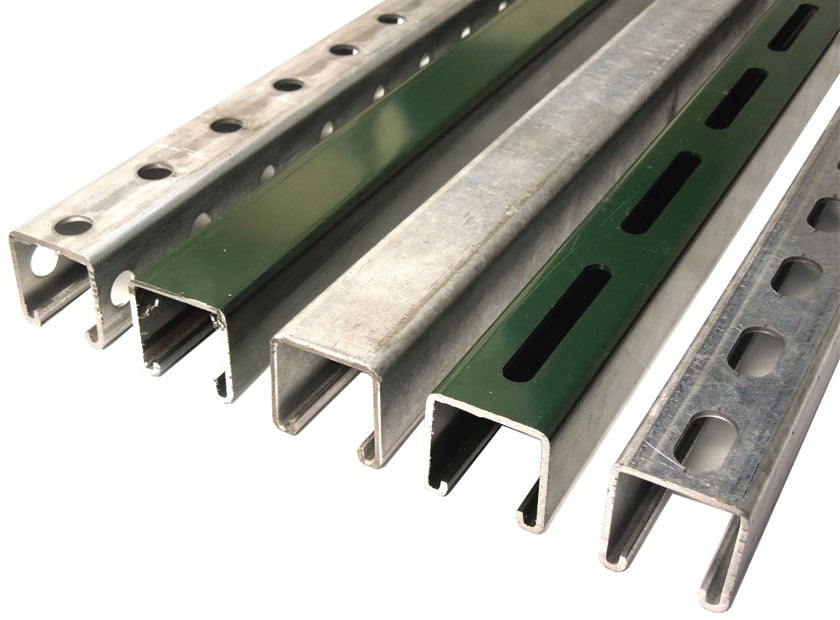
Unistrut channels are metal framing systems used to support structural loads in buildings and industrial setups. Typically made from steel, stainless steel, or aluminum, these channels feature a unique slotted design that allows for easy attachment of fittings, brackets, and accessories without welding.
The system was originally designed to simplify installation work and reduce the need for complex fabrication. Today, it is used in multiple industries including construction, HVAC, electrical, and mechanical engineering.
Types of Unistrut Channels
Understanding the different types of Unistrut channels is essential for selecting the right system for your project. Each type is designed for specific load requirements and environmental conditions.
1. Standard Unistrut Channel
This is the most commonly used type. It is suitable for general-purpose applications such as supporting pipes, ducts, and electrical systems. It provides strong structural support and is easy to install.
2. Slotted Unistrut Channel
Slotted channels feature pre-cut holes along the length, allowing for flexible mounting and adjustments. These are ideal when alignment or repositioning may be required during installation.
3. Solid Unistrut Channel
Unlike slotted versions, solid channels do not have holes. They offer higher strength and are typically used in heavy-duty applications where maximum load-bearing capacity is required.
4. Stainless Steel Unistrut Channel
These channels are designed for environments exposed to moisture, chemicals, or corrosive elements. They are commonly used in marine, food-processing, and chemical industries.
5. Aluminum Unistrut Channel
Lightweight and corrosion-resistant, aluminum channels are suitable for applications where weight reduction is important without compromising durability.

Common Uses of Unistrut Channels
Unistrut channels are used in a wide range of industries due to their versatility and adaptability.
Electrical Installations
They are widely used for supporting cable trays, wiring systems, and electrical conduits in commercial and industrial buildings.
HVAC Systems
Heating, ventilation, and air conditioning systems rely on Unistrut channels for mounting ducts, pipes, and equipment securely.
Plumbing Support
Plumbing systems often use these channels to support water and drainage pipes, ensuring stability and alignment.
Structural Framing
In construction, Unistrut channels are used to create lightweight structural frameworks for ceilings, walls, and equipment support systems.
Industrial Equipment Mounting
Factories and industrial facilities use them to mount heavy machinery, control panels, and support structures.
Benefits of Unistrut Channels
Unistrut channels offer several advantages that make them a preferred choice in engineering and construction projects.
Easy Installation
One of the main benefits is their simple installation process. Components can be assembled without welding, reducing labor time and cost.
Flexibility and Adjustability
The modular design allows for easy adjustments and modifications, making them suitable for dynamic project requirements.
Strong Load-Bearing Capacity
Despite their simple design, Unistrut channels provide excellent structural strength and can support heavy loads when properly installed.
Cost-Effective Solution
They reduce fabrication costs and installation time, making them a cost-efficient choice for large-scale projects.
Durability
Depending on the material used, Unistrut channels can withstand harsh environments, including exposure to moisture, chemicals, and extreme temperatures.
Factors to Consider When Choosing Unistrut Channels
Selecting the right Unistrut channel depends on several key factors:
Load Requirements
Determine the weight and type of load the channel will support before selecting the appropriate type.
Environmental Conditions
Consider exposure to moisture, chemicals, or outdoor conditions when choosing between steel, stainless steel, or aluminum options.
Installation Requirements
If frequent adjustments are needed, slotted channels may be more suitable than solid ones.
Budget Constraints
Material choice can significantly impact cost, so balance performance needs with budget considerations.
Conclusion
Understanding The Complete Guide to Unistrut Channels: Types, Uses & Benefits helps in selecting the right system for construction, industrial, and mechanical applications. These channels offer a reliable, flexible, and cost-effective solution for supporting a wide range of structural and mechanical systems. With various types available, users can choose the most suitable option based on load capacity, environment, and installation needs. Their adaptability and strength make them an essential component in modern engineering projects.
