

Urban areas are becoming denser, greener, and more pedestrian-focused than ever before. City planners and architects are looking for design solutions that not only enhance visual appeal but also promote safety and sustainability. Among these solutions, heel-proof tree grates play an essential role in improving the functionality and appearance of city streets, walkways, and public spaces.
Understanding Heel-Proof Tree Grates
Tree grates are protective metal or composite covers placed around trees in urban environments. Their primary function is to allow trees to grow while keeping the surrounding ground level safe and accessible. Traditional tree grates often feature wide openings that can trap high heels, bicycle tires, and even mobility aids.
Heel-proof tree grates, on the other hand, have narrow slots or patterns designed specifically to prevent these accidents. The gap width is typically small enough often less than 8 millimeters to ensure shoes, heels, and small wheels can pass safely over the surface. This simple yet crucial design improvement enhances comfort, safety, and accessibility for pedestrians.
The Importance of Heel-Proof Design in Urban Planning
Urban design is about creating inclusive, accessible, and aesthetically pleasing environments for everyone. Incorporating heel-proof tree grates addresses a subtle yet significant safety issue. In busy city centers, people walk in formal footwear, push strollers, or use wheelchairs and bicycles. Grates with wide openings pose a risk to all these users.
Heel-proof designs reduce tripping hazards, protect pedestrians, and ensure a seamless walking experience. This contributes to safer, more inclusive city environments, an essential goal of modern urban planning.
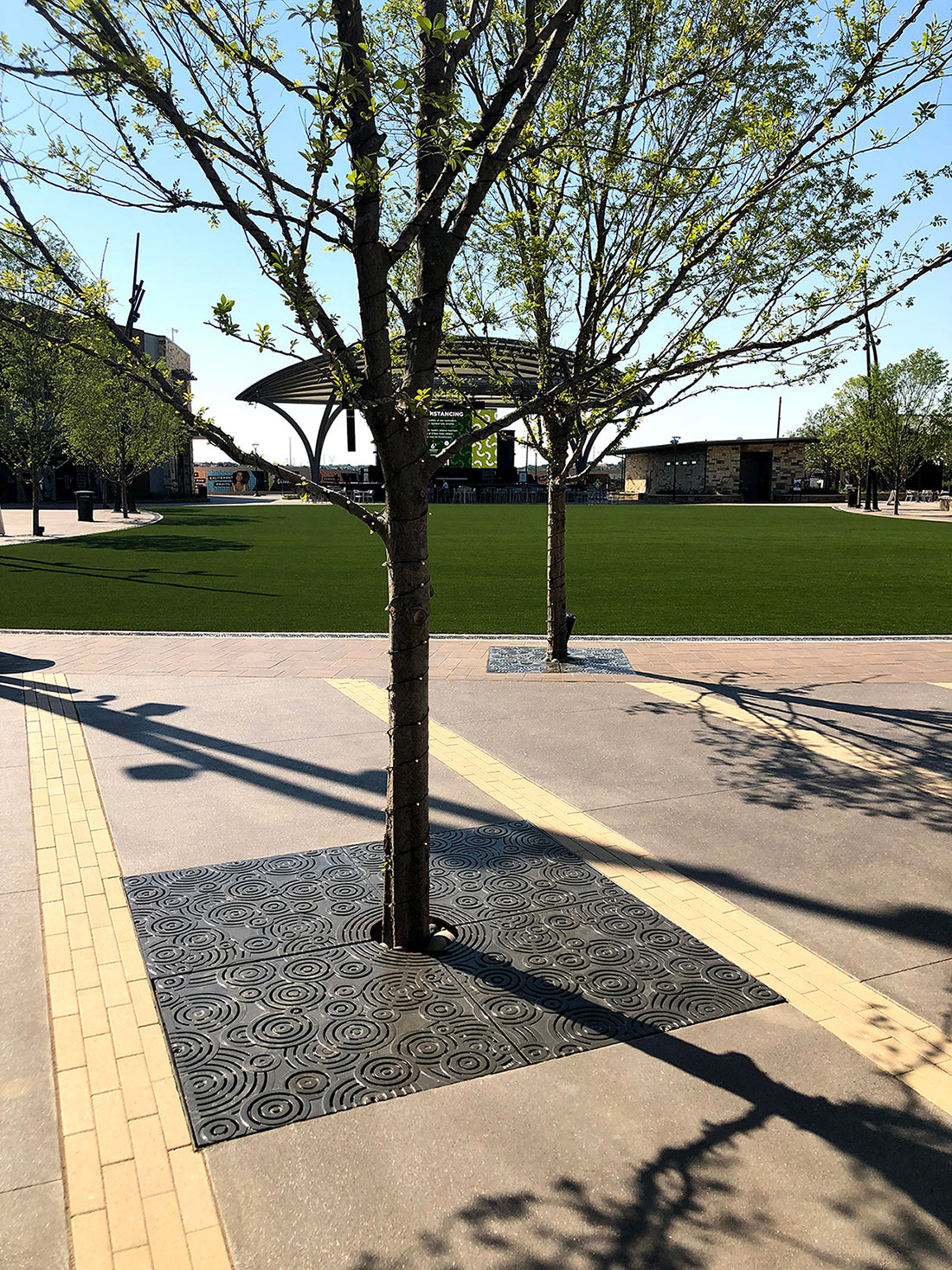
How Heel-Proof Tree Grates Improve Urban Landscapes
1. Enhancing Pedestrian Safety
One of the most direct ways heel-proof tree grates improve urban landscapes is by reducing accidents. Traditional grates with large openings can catch a heel or small wheel, causing injuries. By minimizing these gaps, heel-proof grates make sidewalks, plazas, and courtyards safer for everyone.
This focus on pedestrian safety aligns with the broader movement toward walkable cities, where safe and comfortable pathways are a priority.
2. Supporting Healthy Tree Growth
A well-designed tree grate doesn’t just protect pedestrians—it also supports the trees themselves. Heel-proof grates allow air, water, and nutrients to reach the roots while shielding the soil from compaction and damage.
Many models include features that can expand as the tree grows, preventing trunk damage and reducing maintenance needs. By promoting healthy root systems, these grates contribute to long-term urban greenery and shade cover—key factors in reducing city heat and improving air quality.
3. Improving Aesthetic Appeal
City landscapes benefit greatly from design consistency and visual harmony. Heel-proof tree grates come in various patterns, finishes, and materials—ranging from cast iron to stainless steel or recycled composites.
Their clean, modern designs blend seamlessly with sidewalks, streetscapes, and plazas. Custom engraving or city logos can even be incorporated for branding or wayfinding. The result is a visually unified environment that reflects thoughtful urban design.
4. Promoting Accessibility and Inclusion
A key principle of urban development today is universal design—spaces that can be used by everyone, regardless of mobility or footwear. Heel-proof tree grates meet accessibility standards by creating a stable, even surface for wheelchairs, strollers, and mobility scooters.
This design consideration allows people of all ages and abilities to move safely and comfortably through public spaces. In this way, heel-proof grates support both aesthetic and social goals of urban inclusivity.
5. Reducing Maintenance and Long-Term Costs
Durability is another advantage of heel-proof tree grates. Built from high-strength materials, they are resistant to corrosion, wear, and weather damage. Their narrow openings prevent debris buildup, reducing cleaning frequency and maintenance costs.
Cities save money in the long run by investing in these durable, low-maintenance features that require fewer replacements and repairs compared to older designs.
6. Enhancing Drainage and Environmental Sustainability
Proper stormwater management is critical in urban areas. Heel-proof tree grates are designed to allow efficient water flow into the soil without letting trash or large debris block drainage.
This feature helps prevent puddling, soil erosion, and root suffocation, while improving water absorption for trees. Additionally, many heel-proof grates are made from recycled or recyclable materials, contributing to environmentally sustainable infrastructure.
Choosing the Right Heel-Proof Tree Grate
When selecting tree grates for urban projects, designers consider several factors:
-
Material: Cast iron, ductile iron, and stainless steel are popular for strength and longevity.
-
Size and Fit: Grates should accommodate both current and future tree growth.
-
Pattern Design: Choose a heel-proof pattern with narrow gaps to ensure safety and comfort.
-
Installation and Maintenance: Opt for systems that are easy to install and maintain.

By combining function and design, city planners can ensure the selected grates meet both aesthetic and safety standards.
Case Study: Safer Streets and Greener Spaces
Several modern cities have successfully implemented heel-proof grates as part of their urban renewal initiatives. For example, downtown streets in many European and Asian cities use these grates to balance tree protection with pedestrian safety.
The results show fewer tripping incidents, improved tree survival rates, and cleaner, more cohesive streetscapes. These examples illustrate how heel-proof tree grates improve urban landscapes by combining practicality with visual quality.
Conclusion:
Heel-proof tree grates might seem like a small detail, but their impact on urban life is significant. They improve safety, support environmental sustainability, and enhance the aesthetic and functional quality of public spaces.
By integrating these designs into city planning, urban developers and architects can create environments that are not only visually appealing but also safe, accessible, and sustainable.
In short, how heel-proof tree grates improve urban landscapes lies in their ability to combine beauty, safety, and functionality a perfect reflection of thoughtful modern design.
