

Proper driveway drainage is often overlooked until problems appear. Standing water, surface cracks, and erosion around the driveway edges are common signs of poor drainage planning. Choosing the right drainage channel for the driveway plays a key role in protecting both the driveway surface and the surrounding structure of your property. This guide explains why drainage channels matter, the available options, and how to select the most suitable solution for long-term performance.
Why Driveway Drainage Is Important
A driveway is constantly exposed to rainwater, runoff, and vehicle weight. Without an effective drainage system, water can pool on the surface or flow toward the foundation of your home.
Preventing Structural Damage
Excess water weakens the driveway base over time. When water seeps into the sublayer, it can cause shifting, cracks, and surface deterioration. In colder regions, trapped water may freeze and expand, worsening damage.
Improving Safety and Usability
Water accumulation increases the risk of slipping for pedestrians and skidding for vehicles. A well-designed drainage channel directs water away quickly, keeping the driveway dry and safer to use throughout the year.
Understanding Driveway Drainage Channels
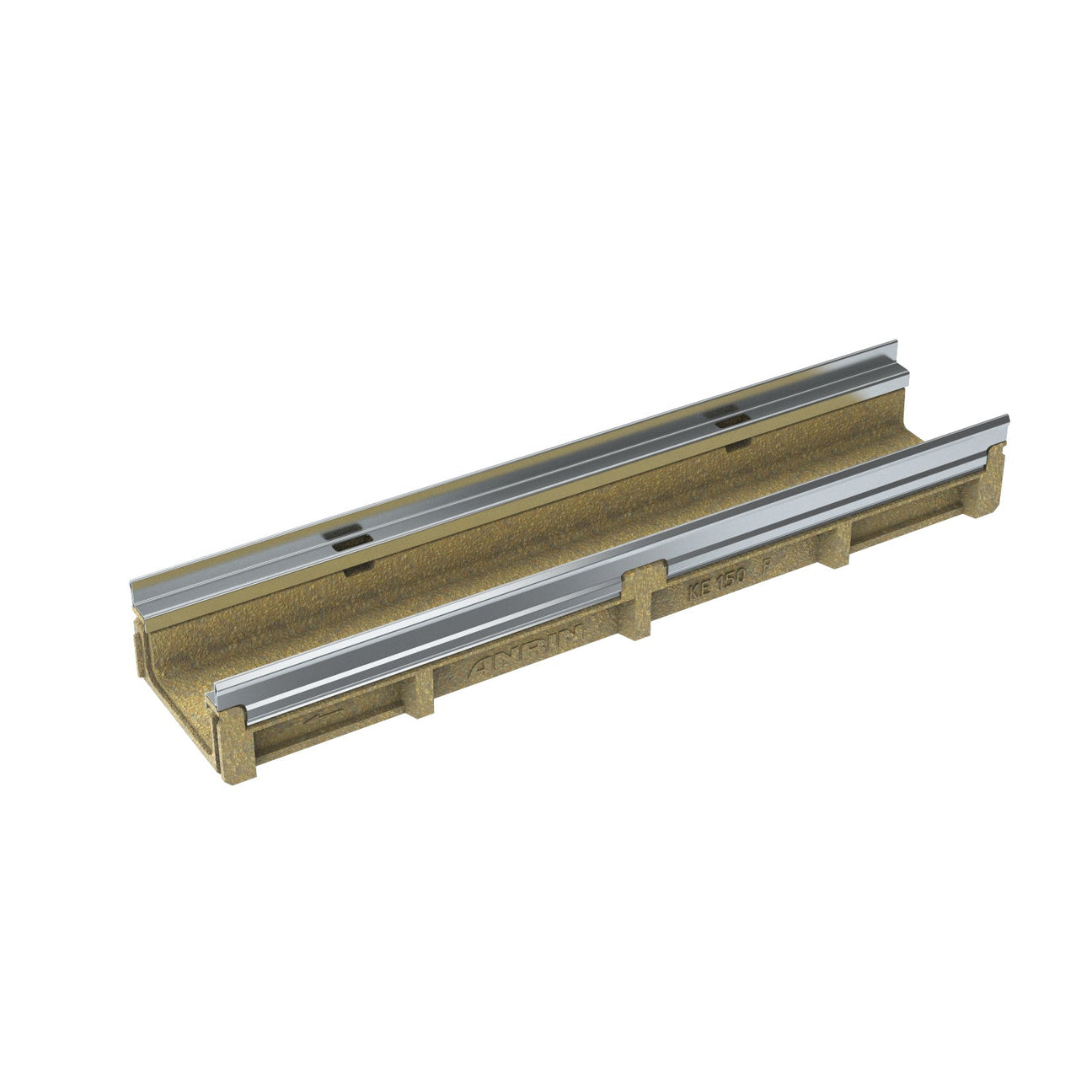
Drainage channels, also known as trench drains or linear drains, are installed across or alongside driveways to capture and redirect surface water.
How Drainage Channels Work
Drainage channels collect water through surface grates and move it into underground pipes or designated drainage outlets. This controlled flow prevents water from spreading across the driveway or entering unwanted areas.
When a Drainage Channel Is Necessary
Drainage channels are especially important for:
-
Sloped driveways where water flows downward
-
Properties with heavy rainfall
-
Driveways leading toward garages or building entrances
-
Areas with limited natural soil absorption
Types of Drainage Channels for Driveways
Selecting the right type depends on driveway size, expected water volume, and load-bearing needs.
Plastic Drainage Channels
Plastic channels are lightweight, easy to install, and resistant to corrosion. They are suitable for residential driveways with light to moderate vehicle traffic.
Best for:
-
Standard homes
-
Low to medium water flow
-
Easy installation projects
Concrete Drainage Channels
Concrete channels offer high strength and durability. They can handle heavier loads and are often used in larger residential or shared driveways.
Best for:
-
Heavy vehicles
-
Long driveways
-
High water flow areas
Polymer Concrete Channels
Polymer concrete combines strength with lower water absorption. It provides excellent durability and is less prone to cracking than traditional concrete.
Best for:
-
Long-term installations
-
Areas with frequent water exposure
-
Driveways requiring high load resistance
Key Factors to Consider When Choosing the Right Drainage Channel for the Driveway
Every driveway has unique requirements. These factors should guide your selection.
Load-Bearing Capacity
Consider the weight of vehicles using the driveway. Passenger cars require less load resistance than delivery vehicles or recreational vehicles. Drainage channels are rated by load class, and selecting the correct rating ensures durability.
Water Flow Volume
Evaluate how much water the driveway typically receives. Larger surfaces and steeper slopes generate more runoff. The channel width and depth should be sufficient to handle peak water flow without overflow.
Material Compatibility
The drainage channel should work well with the driveway material, whether concrete, asphalt, or paving blocks. Proper integration prevents gaps that could weaken the surface.
Maintenance Requirements
Some channels are easier to clean than others. Removable grates allow for routine cleaning, helping prevent blockages from debris such as leaves and sand.
Placement and Installation Considerations
Correct placement is just as important as the channel itself.
Ideal Positioning
Drainage channels are typically installed:
-
At the entrance of garages
-
Across the driveway near the street
-
Along the sides where water naturally collects
Positioning the channel at the lowest point ensures efficient water capture.
Professional Installation vs DIY
While some lightweight channels are suitable for DIY installation, professional installation ensures correct slope, secure fitting, and proper connection to the drainage system. Incorrect installation can reduce effectiveness and lead to future repairs.
Long-Term Benefits of Proper Driveway Drainage
Investing time in choosing the right drainage channel for the driveway offers lasting advantages.
Extended Driveway Lifespan
Effective drainage reduces water-related damage, helping the driveway maintain its structural integrity for many years.
Reduced Repair Costs
By preventing cracks, erosion, and surface breakdown, a good drainage system minimizes the need for frequent repairs or resurfacing.
Better Property Protection
Proper water management prevents runoff from reaching foundations, garages, and landscaping, protecting the overall property structure.
Final Thoughts
Choosing the right drainage channel for the driveway is a practical decision that supports safety, durability, and long-term value. By understanding drainage needs, evaluating material options, and considering proper installation, homeowners can avoid common water-related issues. A well-planned drainage system not only improves driveway performance but also contributes to the overall health of the property. Taking the time to select the correct solution ensures reliable water management in all weather conditions.
